
How to configure Static Routes and Default Routes
If you are not familiar with a router console connection, click the following link to learn how to connect the serial port of your computer to router console port.

What is a default route and how does it work with my managed switch
The route created manually is called the static or default route. A default route is used for forwarding the packet when the switch can not find a match in the routing table for an IP packet.
Solved: Default route
If the device is routing, then the ip routing command will be entered in global configuration mode and the ip route 0.0.0.0 0.0.0.0 default route command can also be configured.
Configure A Gateway Of Last Resort or Default Route
Default route and gateway of last resort are sometimes used interchangeably, but I will be specific on the methods used pertaining to the
Default Route, How Default Route works And Its Function
A default route, or "route of last resort," is a special static route identified by 0.0.0.0/0. It acts as a router''s catch-all path, forwarding any traffic.
Default Route in Cisco Routers
In this article, we will see default routing and its configuration in the cisco packet tracer. It is a type of routing which is useful in those cases when the destination network id is unknown to the
How to configure the default gateway of the smart and managed
When we want to use NTP (Network Time Protocol), access the switch remotely, or some other functions that need the switch acting like a computer that can access the Internet by
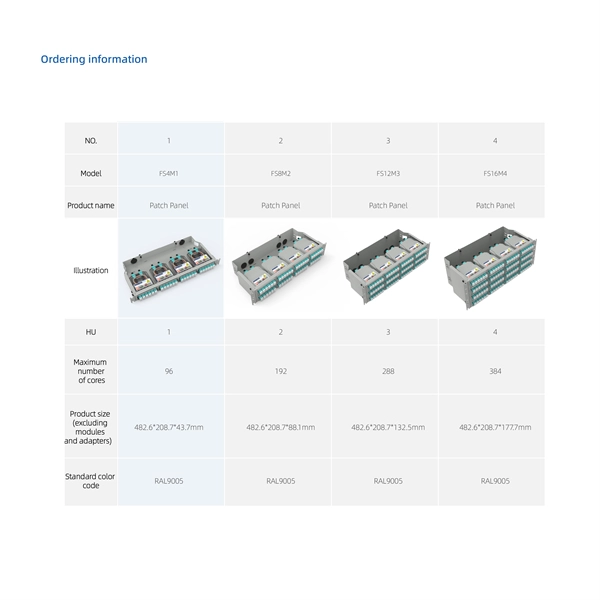
How to set a default gateway on Cisco Switch?
This article provides a comprehensive guide to setting a default gateway on a Cisco switch using both the Command Line Interface (CLI) and the Web GUI, while addressing important
Understanding Default Routes | Junos OS | Juniper Networks
To be active, the configured next-hop address must be reachable. Administrators generally point the default route toward the routing device that has a connection to a network service provider.
Configure A Gateway Of Last Resort or Default Route on CISCO Routers
Default route and gateway of last resort are sometimes used interchangeably, but I will be specific on the methods used pertaining to the commands for this example.
Default Routes in Cisco Routers Explained
This tutorial explains what a default route is, how it works, the AD value of a default route, and the types of default routes.
Telecom Racks & Cabinets
19-inch racks, wall-mount cabinets, open frames with high load capacity and seismic rating.
Outdoor Climate Cabinets
IP55/IP66 outdoor enclosures with integrated cooling/heating, -40°C to +55°C operation.
Smart PDUs & Power Distribution
Intelligent PDUs with remote monitoring, per-outlet switching, and environmental sensors.
Shelters & Network Cabinets
Prefabricated telecom shelters, emergency comms shelters, and network cabinets with cable management.