DO Definition & Meaning | Dictionary
DO definition: to perform (an act, duty, role, etc.). See examples of do used in a sentence.
DO definition and meaning | Collins English Dictionary
When you do something, you take some action or perform an activity or task. Do is often used instead of a more specific verb, to talk about a common action involving a particular thing.
DO Definition & Meaning
Feasible comes from faire, the French verb meaning “to do.” Doable and feasible therefore originally meant literally the same thing: “capable of being done.”
Do Definition for English Grammar and Usage | Fiveable
Learn what Do means in English Grammar and Usage. The term ''do'' serves primarily as an auxiliary verb that helps form questions, negatives, and emphatic...
Do Definition & Meaning | YourDictionary
To perform the tasks or behaviors typically associated with (something), especially as part of one''s character or normal duties. That talk show host just doesn''t do subtle.
Grounding for employee protection: What do the standards say?
Whether you are doing electrical utility work under OSHA general industry standards (1910) or construction standards (1926), grounding plays an important part in keeping employees safe.
Electrical grounding and bonding per NEC
There are two main reasons for understanding grounding and applying the correct design for grounding and bonding: safety and correct operation of sensitive electronic equipment.

Do: Definition, Meaning, and Examples
As a verb, "do" means to perform, carry out, or execute an action. It''s one of the most common verbs in English, used in a wide range of contexts, from simple tasks to complex actions.
DO | English meaning
Do is one of three auxiliary verbs in English: be, do, have. We use do to make negatives (do + not), to make question forms, and to make the verb more emphatic.
OSHA Grounding Requirements: Rules and Penalties
Across both general industry and construction, OSHA''s most important grounding requirement is deceptively simple: the path to ground from circuits, equipment, and enclosures must
National Electrical Code 2023 Basics: Grounding and Bonding Part 1
Learn about the general requirements for grounding and bonding in line with the NEC 2023.
1926.962
This section applies to grounding of transmission and distribution lines and equipment for the purpose of protecting employees. Paragraph (d) of this section also applies to protective grounding of other
eCFR :: 29 CFR Part 1926 Subpart K -
These sections apply to installations, both temporary and permanent, used on the jobsite; but these sections do not apply to existing permanent installations that were in place before the construction
Explaining NEC Article 250 on Grounding and Bonding
Service Entrance Cables (SER and SEU Cables): Article 250 requires that service entrance cables are properly grounded and bonded to ensure a safe electrical path for fault currents.
29 CFR § 1926.962
This section covers grounding of transmission and distribution lines and equipment when this subpart requires protective grounding and whenever the employer chooses to ground such lines and
do verb
Definition of do verb in Oxford Advanced American Dictionary. Meaning, pronunciation, picture, example sentences, grammar, usage notes, synonyms and more.

Grounding for employee protection: What do the
Whether you are doing electrical utility work under OSHA general industry standards (1910) or construction standards (1926), grounding plays an
Electrical grounding and bonding per NEC
Understand National Electrical Code grounding and bonding requirements for solidly grounded alternating current low-voltage systems (below 1,000 volts). Prevent common grounding
1926.404
All equipment grounding conductors shall be tested for continuity and shall be electrically continuous. Each receptacle and attachment cap or plug shall be tested for correct attachment of the equipment
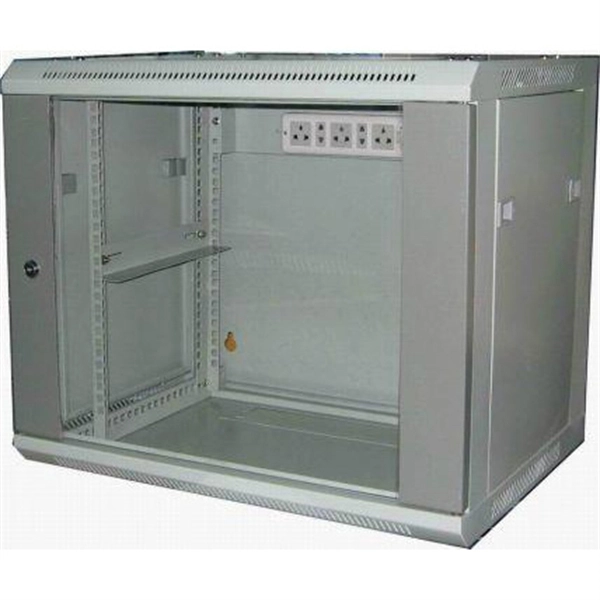
Telecom Racks & Cabinets
19-inch racks, wall-mount cabinets, open frames with high load capacity and seismic rating.
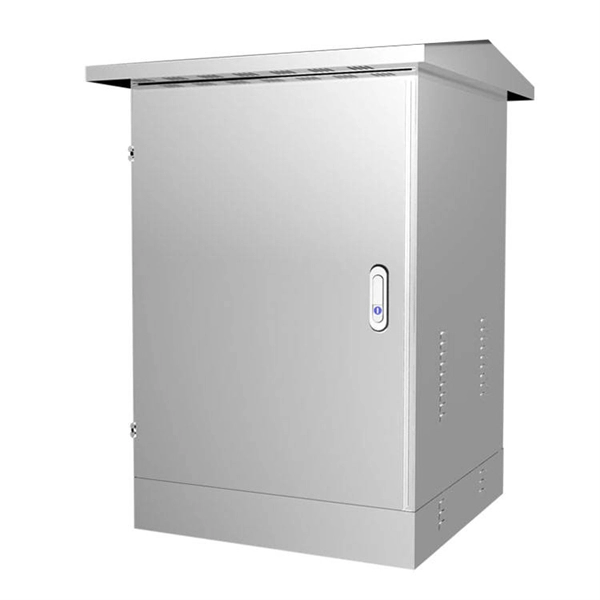
Outdoor Climate Cabinets
IP55/IP66 outdoor enclosures with integrated cooling/heating, -40°C to +55°C operation.
Smart PDUs & Power Distribution
Intelligent PDUs with remote monitoring, per-outlet switching, and environmental sensors.
Shelters & Network Cabinets
Prefabricated telecom shelters, emergency comms shelters, and network cabinets with cable management.