Thermal Management and Thermal Conductive Material Solution for
Heavy industry demand: The production process of optical modules is complex and requires thermal conductive materials with good reworkability to facilitate rework.
OSFP Optical Module Thermal Design: Structure, Heat Dissipation
This article explains contemporary thermal strategies for OSFP modules — from fin geometry tuning to detachable heatsink covers — and maps measured performance to practical

Thermal Conductivity Solution for Optical Modules
Effective thermal management is not optional; it''s critical for performance, reliability, and longevity. Thermal conductivity – the ability of a material to conduct heat – is the cornerstone of
How Silicon-Free Ultra-Soft Thermal Conductive Materials Reshape
This article explains how silicon-free ultra-soft thermal conductive materials reshape heat dissipation in optical communications. They put an end to silicone oil contamination, a critical issue for high-speed
The Role of Thermal Interface Material
To ensure efficient heat dissipation, it is recommended to choose a TIM with high thermal conductivity and lower thermal resistance. Typical values range from 1-10W/mK or higher for high-performance
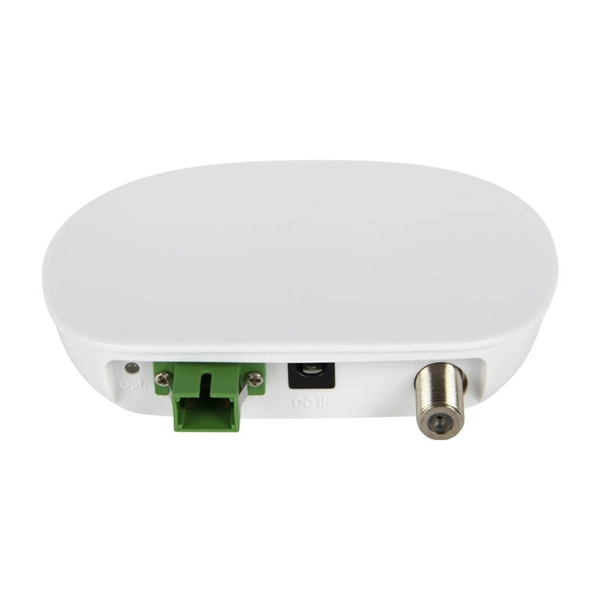
Hot Topics, Cool Solutions: Thermal Management in Optical
Without proper thermal management, this excessive heat can lead to performance degradation, reduced reliability, and lifespan, increasing optical equipment''s capital and operating expenditures.
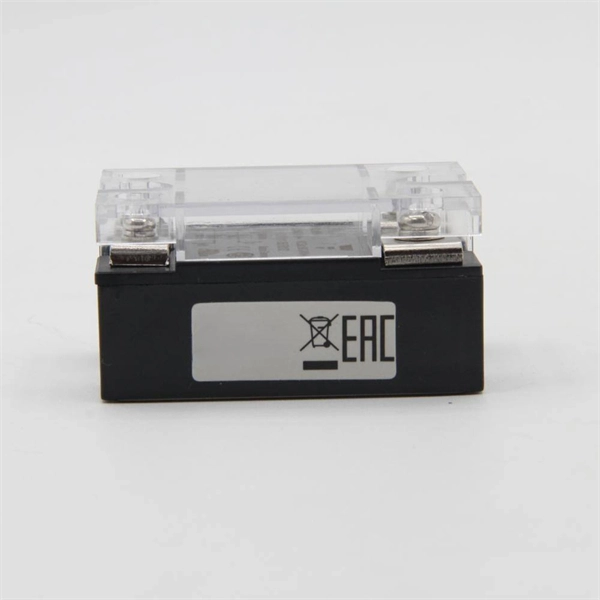
How is the Thermal Structure of OSFP Optical Modules Designed?
In this comprehensive guide, we''ll dive deep into the thermal structure of OSFP optical modules, exploring their design principles, key components, heat dissipation methods, and innovations.
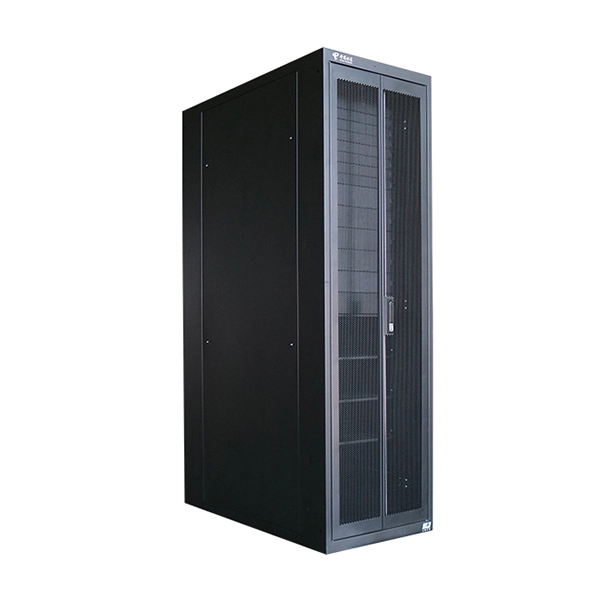
Optical Module Housings Guide
High-speed optical modules generate significant heat. Without effective dissipation, this heat can degrade performance and slash the lifespan of components. Studies show that for every
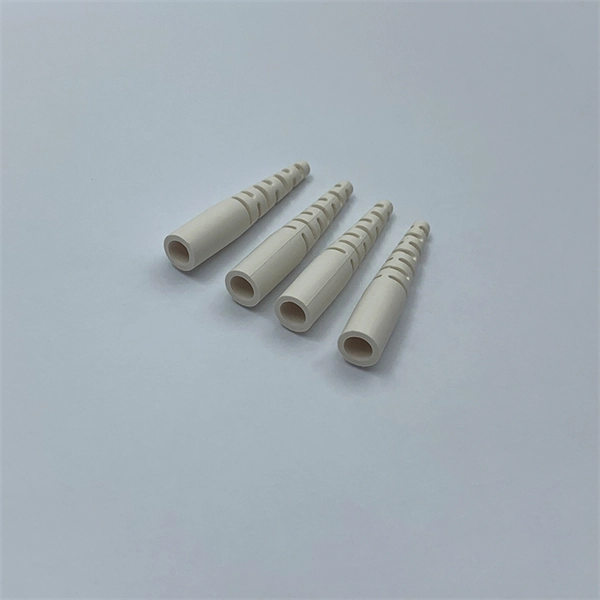
Optically transparent and thermally conductive composite films of
Optically transparent and thermally conductive polymer composites are required for next-generation opto-electronic devices. The present work aimed at creating polymer composite films with
Application of thermally conductive absorbing materials in optical
The application of thermally conductive absorbing materials in optical transceivers: improves signal quality, improves heat dissipation problems, and improves service life and reliability.
How Silicon-Free Ultra-Soft Thermal Conductive
This article explains how silicon-free ultra-soft thermal conductive materials reshape heat dissipation in optical communications. They put an end to silicone oil
Telecom Racks & Cabinets
19-inch racks, wall-mount cabinets, open frames with high load capacity and seismic rating.
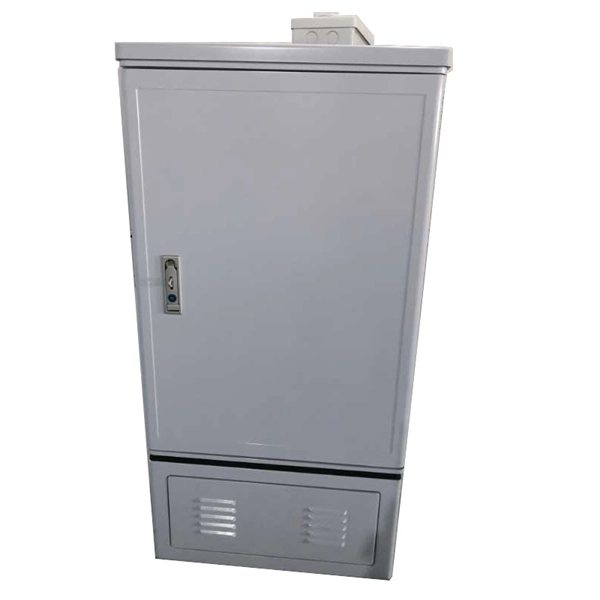
Outdoor Climate Cabinets
IP55/IP66 outdoor enclosures with integrated cooling/heating, -40°C to +55°C operation.
Smart PDUs & Power Distribution
Intelligent PDUs with remote monitoring, per-outlet switching, and environmental sensors.
Shelters & Network Cabinets
Prefabricated telecom shelters, emergency comms shelters, and network cabinets with cable management.