Beam Splitter
A conventional beam splitter is an optical component used to divide an incident beam into two or more beams by refracting or reflecting it. In contrast, artificial nanostructures of metasurfaces provide
Beamsplitter Guide
Beamsplitters separate incident light into two or more beams of the same wavelength. These exiting beams are differentiated by either their optical power (non-polarizing) or polarization
Beam splitter
A beam splitter or beamsplitter is an optical device that splits a beam of light into a transmitted and a reflected beam. It is a crucial part of many optical experimental and measurement systems, such as
Beam splitter
OverviewDesignsPhase shiftClassical lossless beam splitterUse in experimentsQuantum mechanical descriptionReflection beam splitters
A beam splitter or beamsplitter is an optical device that splits a beam of light into a transmitted and a reflected beam. It is a crucial part of many optical experimental and measurement systems, such as interferometers, also finding widespread application in fibre optic telecommunications.
What are Beamsplitters?
They are designed to split unpolarized light at a specific Reflection/Transmission (R/T) ratio with unspecified polarization tendencies. Polarizing beamsplitters are designed to split light into reflected

Beam Splitters – optical power splitter, beamsplitter, thin-film
While most beam splitters have a fixed splitting ratio, variable beam splitters allow for the continuous adjustment of the ratio between reflected and transmitted power.
Beam Splitters — Abridged Guide
When comparing beam splitters, always check whether the specified R/T ratio is for unpolarized light or for a specific polarization. The numbers can differ significantly.
Beam Splitter Input-Output Relations
The elements of the beam splitter transformation matrix B are determined using the assumption that the beamsplitter is lossless. While a beamsplitter is never lossless, it is a good approximation for most

Modeling Beam Splitter with Customized Splitting Ratio
Beam splitting ratio is an important parameter for beam splitters, which refers to the proportion of light that a beam splitter reflects and transmits. It''s typically expressed as a percentage

Infrared Spectroscopy: Beam Splitters and Detector Physics Explained
The beam splitter splits and then recombines infrared radiation, while the detector picks up the resulting signal. It''s sensitive to both intensity and frequency.
Polarizing Beamsplitters | MEETOPTICS Academy
Extinction Ratio: In addition to the ratio of transmitted and reflected light, polarizing beam splitters have an additional extinction ratio which is defined as the ratio of transmitted p-polarized light to s
Telecom Racks & Cabinets
19-inch racks, wall-mount cabinets, open frames with high load capacity and seismic rating.
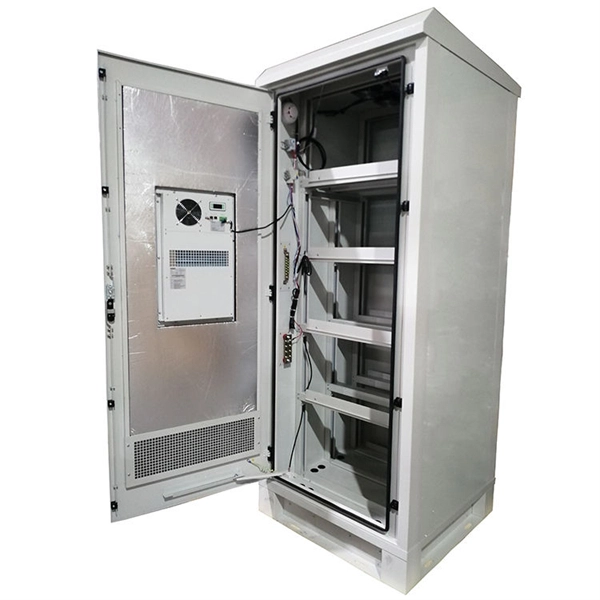
Outdoor Climate Cabinets
IP55/IP66 outdoor enclosures with integrated cooling/heating, -40°C to +55°C operation.
Smart PDUs & Power Distribution
Intelligent PDUs with remote monitoring, per-outlet switching, and environmental sensors.
Shelters & Network Cabinets
Prefabricated telecom shelters, emergency comms shelters, and network cabinets with cable management.