The Transimpedance Amplifier [A Circuit for All Seasons]
Optical receiver TIAs must achieve a wide bandwidth, a low input-referred noise current, and a reasonable gain to minimize the noise contribution of the subsequent stages. Although simple, the
Overcoming the Transimpedance Limit: A Tutorial on Design of Low
In this tutorial, we analyze and explore two circuit design approaches to overcome the transimpedance limit. The first approach (Type I) realizes a divide-and-conquer methodology to separate the noise
What you need to know about transimpedance amplifiers part 1
TIAs are conceptually simple: a feedback resistor (RF) across an operational amplifier (op amp) converts the current (I) to a voltage (VOUT) using Ohm''s law, VOUT = I × RF. In this series of blog posts, I will
Noise_Analysis_of_FET_Tranimpedance_Amplifiers
Thus, in simple transimpedance circuits with feedback resis-tors greater than the characteristic value, the amplifier''s current noise would cause more output noise than the amplifier''s voltage noise.
lecture13_ee620_tias
How to get a differential output with a single-ended photocurrent input?
The Design of a Transimpedance Amplifier [The Analog Mind]
In this article, we design a TIA in 28-nm CMOS technology while targeting the fol-lowing specifications: power consumption 1 5mW . The choice of the noise and gain values becomes clear after we delve
Op-Amp Transimpedance Amplifier
Just as we addressed stability issues for the op-amp inverting amplifier and op-amp non-inverting amplifier circuits, we can correct for some of the bad behavior caused by input capacitance by adding
Transimpedance Amplifier Guide for Sensors | ERSA
In this guide we''re going to treat the transimpedance amplifier the way sci-fi treats a good support character: give it an origin story, show its hidden powers, and explain how it stays stable
voltage
From my understanding, the current source creates a voltage across Rf, which is detected by the inverting input Vin. Vout then tries to pull this to whatever value is at the non
Stabilize Your Transimpedance Amplifier | Analog Devices
This application note explains how to calculate the optimum value of feedback capacitance required to stabilize an op amp in transimpedance amplifier (TIA) configuration.
Telecom Racks & Cabinets
19-inch racks, wall-mount cabinets, open frames with high load capacity and seismic rating.
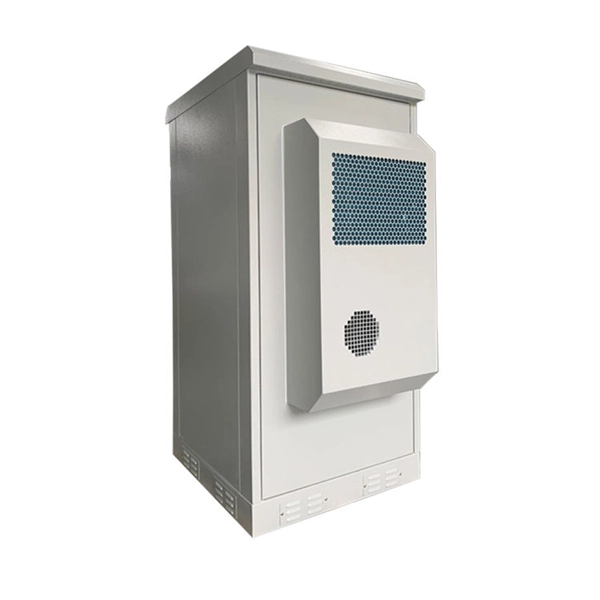
Outdoor Climate Cabinets
IP55/IP66 outdoor enclosures with integrated cooling/heating, -40°C to +55°C operation.
Smart PDUs & Power Distribution
Intelligent PDUs with remote monitoring, per-outlet switching, and environmental sensors.
Shelters & Network Cabinets
Prefabricated telecom shelters, emergency comms shelters, and network cabinets with cable management.