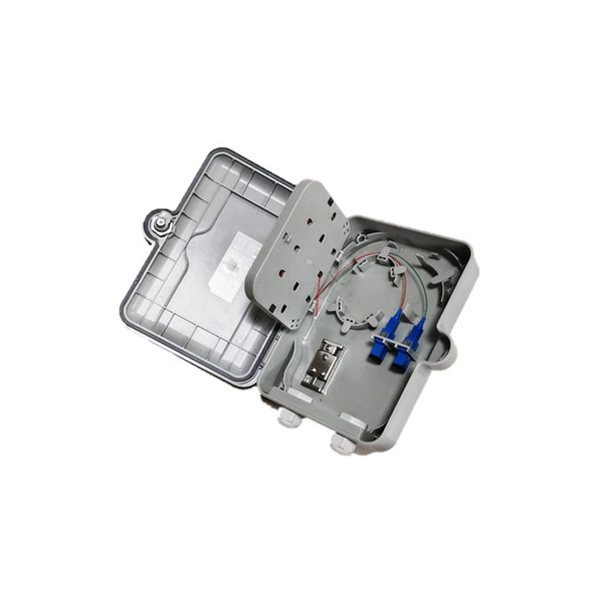
The difference of Distribution box,distribution cabinet
The distribution cabinet is the first level of distribution equipment of the distribution box. Its volume is large, and it can put large electrical equipment in it.
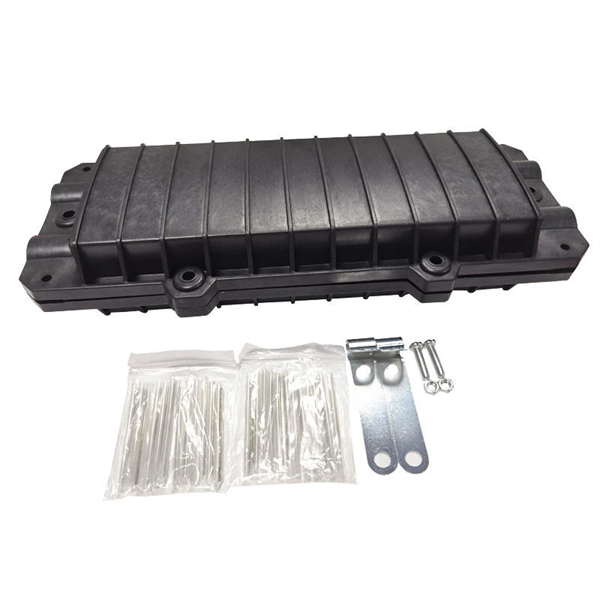
Distribution Box vs Control Cabinet: Key Differences Explained
Understand the difference between an industrial distribution box and a control cabinet. Learn their functions, components, applications, wiring structures, common issues, and engineering
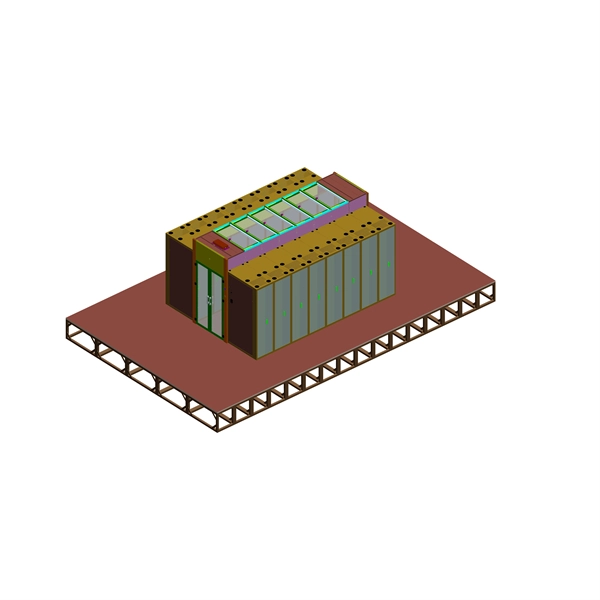
Differences Between Distribution Boxes, Switchgear, Control Boxes,
You can think of the distribution cabinet as the "big brother" of the distribution box. It is usually floor-mounted, large in size, and can carry higher currents. The distribution cabinet contains molded case
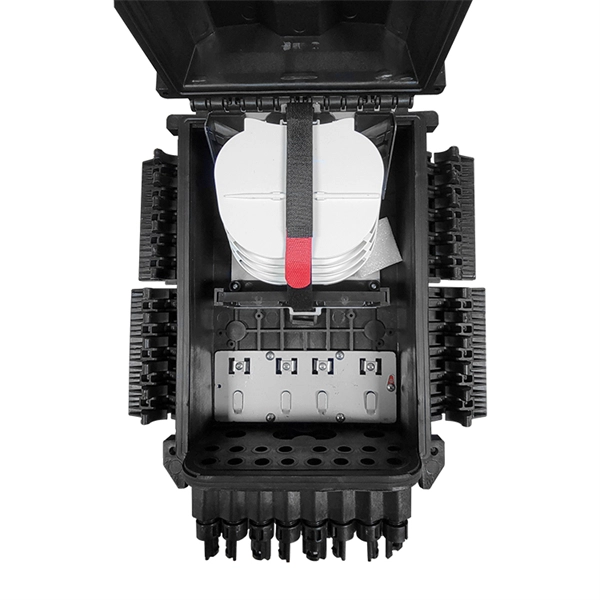
The difference of Distribution box,distribution cabinet and control box
The distribution cabinet is the first level of distribution equipment of the distribution box. Its volume is large, and it can put large electrical equipment in it.
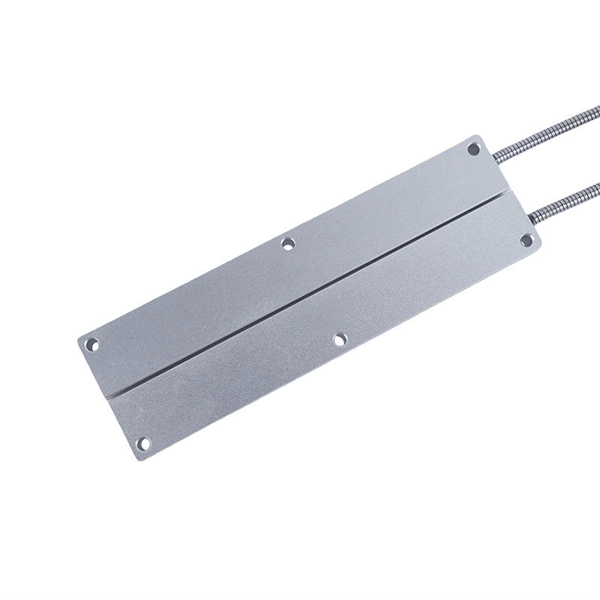
Understanding Distribution Boxes:A Comprehensive Guide
What is the distribution box? A distribution box, also known as a distribution panel or board, is a cabinet that holds electrical parts used to supply power to multiple circuits within a
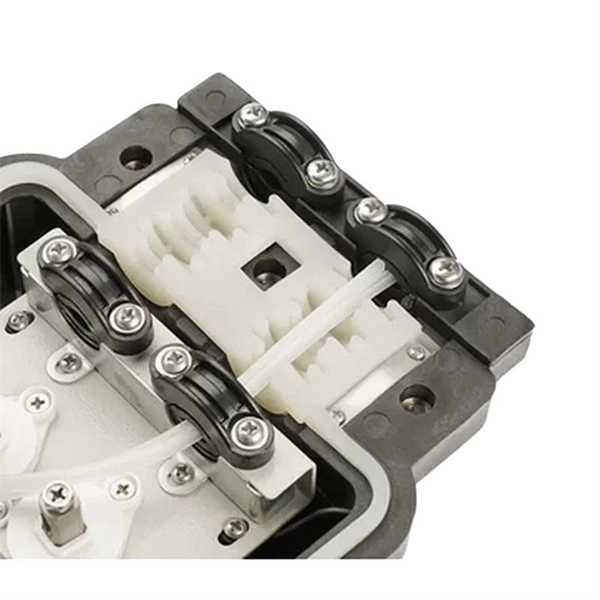
Fiber Optic “Big Three”: Termination Box, Distribution Box & ODF
While a fiber optic termination box serves a single user or only a limited number of users (less than five), a Fiber Distribution Box is designed to provide fiber access for multiple users.
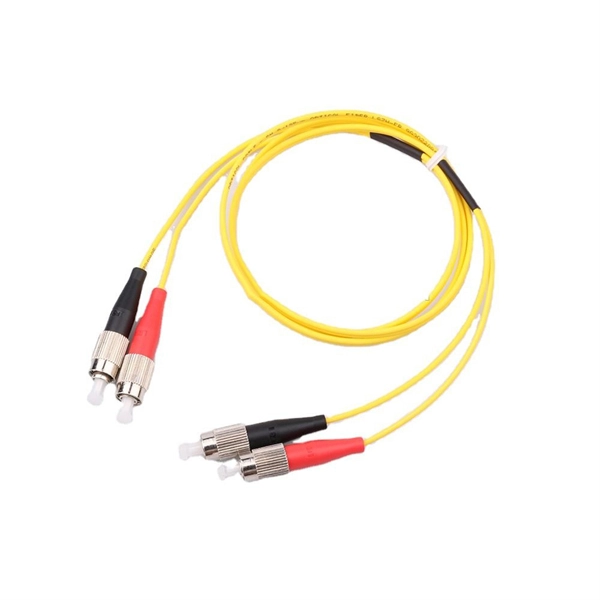
Panelboards and Distribution Panels: What They Are and How They
At the heart of this network are panelboards and distribution panels, typically housed within robust electrical cabinets. These components are responsible for dividing electrical power into
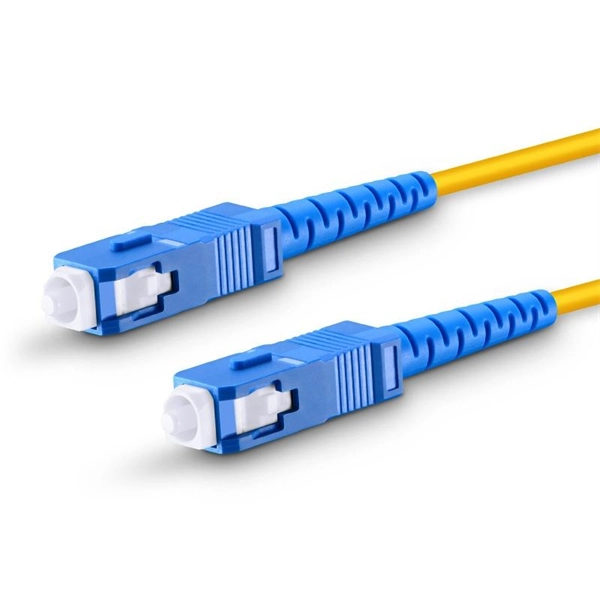
The difference between the first,second,and third levels of
A distribution box is installed under the main distribution box, and a switch box is installed under the distribution box. Electrical equipment is installed under the switch box, forming a three
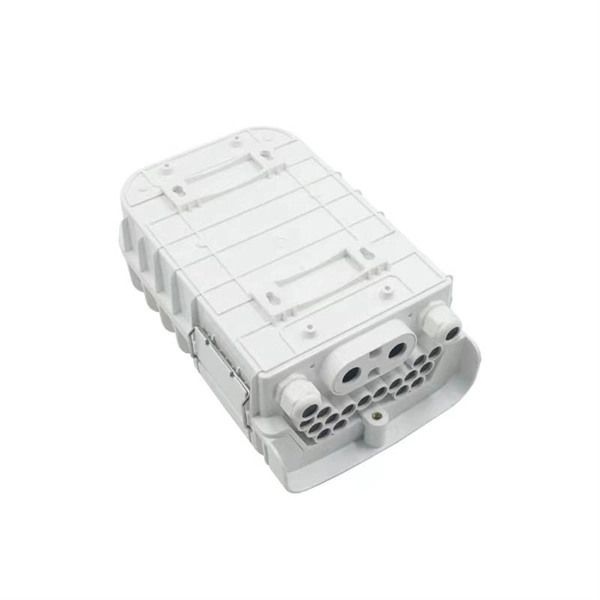
Power Distribution Cabinet – Types, Functions & Uses Explained
Simply put, a distribution cabinet is an enclosure that contains circuit breakers, relays, busbars, and monitoring devices. It ensures that electricity is delivered safely and efficiently to
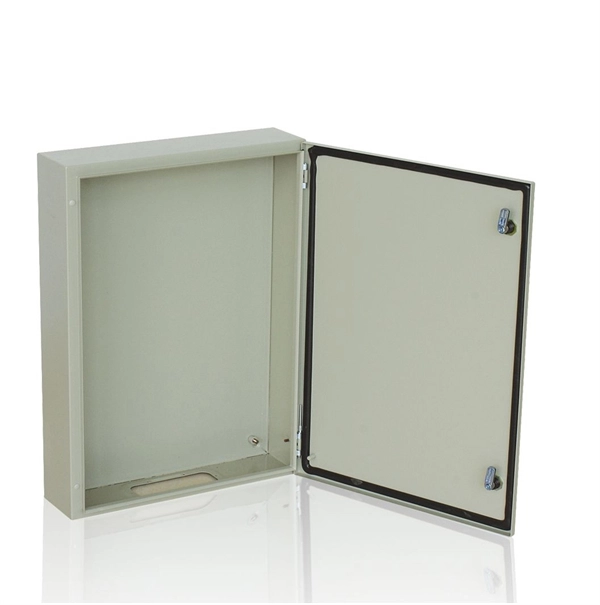
What are the differences between level one, two, and three distribution
Third-level distribution cabinet (terminal distribution cabinet/end distribution cabinet): It is the distribution facility closest to the end user, responsible for distributing electricity to specific loads or devices.
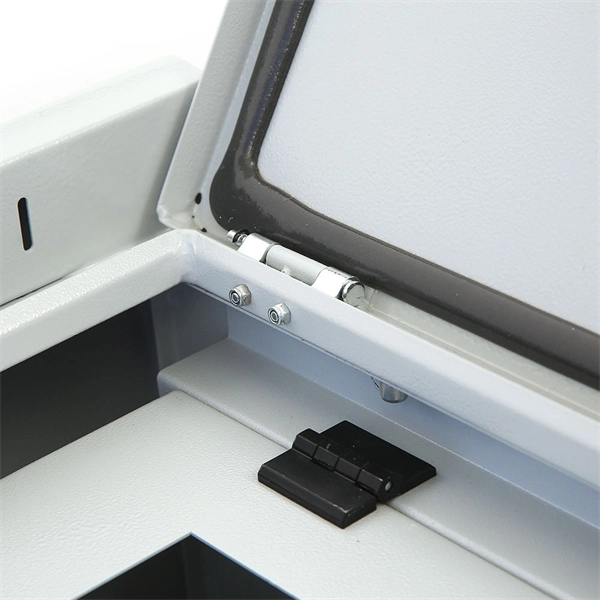
MNS® Low Voltage Distribution Board and Power Cabinet
The ABB-MNS® distribution board and power cabinet are of a welded structure. The product comes in a good variety of shapes, and is highly versatile, structurally innovative, and mechanically rigid. Its
Telecom Racks & Cabinets
19-inch racks, wall-mount cabinets, open frames with high load capacity and seismic rating.
Outdoor Climate Cabinets
IP55/IP66 outdoor enclosures with integrated cooling/heating, -40°C to +55°C operation.
Smart PDUs & Power Distribution
Intelligent PDUs with remote monitoring, per-outlet switching, and environmental sensors.
Shelters & Network Cabinets
Prefabricated telecom shelters, emergency comms shelters, and network cabinets with cable management.