Wavelength-division multiplexing
Each wavelength-converting transponder receives an optical data signal from the client layer, such as SONET/SDH or another type of data signal, converts this signal into the electrical domain, and re
Wavelength division multiplexing
This section contains examples of wavelength division multiplexing (WDM) circuits. Wavelength division multiplexing is a method of modulating multiple signals at different wavelengths (channels) to
Wavelength Division Multiplexing
In WDM, the optical signals from different sources or (transponders) are combined by a multiplexer, which is essentially an optical combiner. They are combined so that their wavelengths are different.

How Wavelength Division Multiplexing (WDM) Works
Each data stream is first converted into pulses of laser light, with each stream assigned a unique, precise wavelength, comparable to assigning a specific radio frequency to each radio station.
WDM 101 | Optical Communications | Corning
Multiple traffic channels can be assigned different wavelengths and then multiplexed (mixed) onto a fiber link with WDM filter devices. On the other end of the network, WDM filters will demultiplex (separate)
Wavelength Division Multiplexing – WDM, coarse,
Wavelength division multiplexing solves these problems by keeping the transmission rates of each channel at reasonably low levels (e.g. 10 Gbit/s or 100 Gbit/s) and
Frequency Comb-Based WDM Transmission Systems Enabling Joint Signal
We review the use of optical frequency combs in wavelength-division multiplexed (WDM) fiber optic communication systems. In particular, we focus on the unique possibilities that are opened
Wavelength Division Multiplexing – WDM, coarse, dense, optical fiber
Wavelength division multiplexing solves these problems by keeping the transmission rates of each channel at reasonably low levels (e.g. 10 Gbit/s or 100 Gbit/s) and achieving a high total data rate by
Optically Multiplexed Systems: Wavelength Division Multiplexing
ptical multiplexing techniques, wavelength division multiplexing (WDM). The chapter begins with a quick historical account of the origin of optical communication and its exponential growth following the
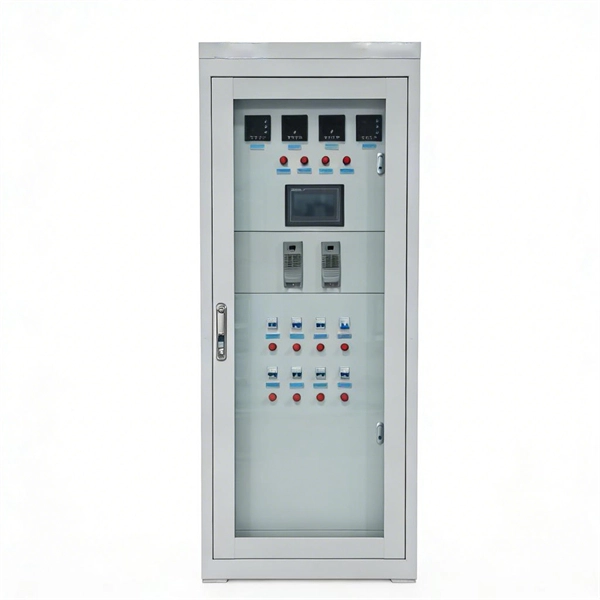
Wavelength Division Multiplexers (WDM)
Wavelength Division Multiplexing (WDM) is a technique in fiber-optic communication systems that enables multiple optical signals with different wavelengths to be combined, transmitted, and
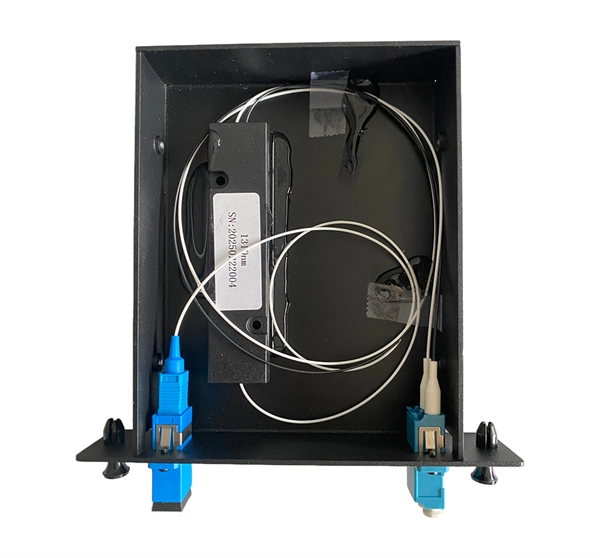
Wavelength-division multiplexing
OverviewDense WDMSystemsCoarse WDMEnhanced WDMShortwave WDMTransceivers versus transpondersSee also
Dense wavelength-division multiplexing (DWDM) refers originally to optical signals multiplexed within the 1550 nm band so as to leverage the capabilities (and cost) of EDFAs, which are effective for wavelengths between approximately 1525–1565 nm (C band), or 1570–1610 nm (L band). EDFAs were originally developed to replace SONET/SDH optical-electrical-optical (OEO) regenerators, which they have made pra
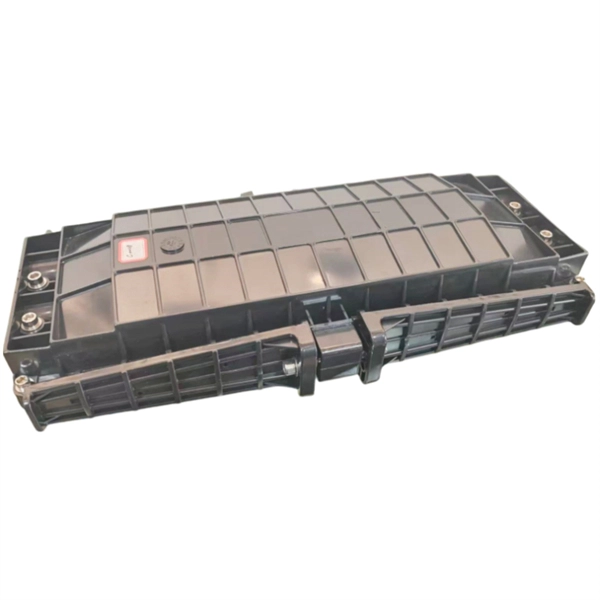
Wavelength Division Multiplexers (WDM)
Explore the fundamentals of Wavelength Division Multiplexing (WDM), its types, benefits, challenges, and future prospects in our detailed guide.
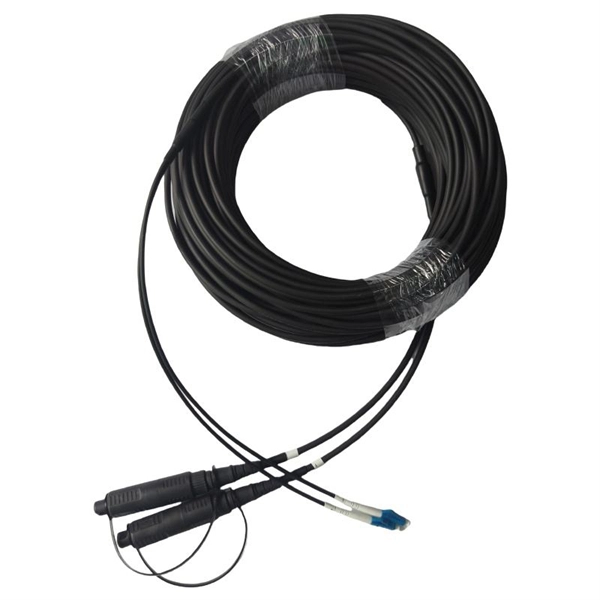
Frequency Comb-Based WDM Transmission Systems
We review the use of optical frequency combs in wavelength-division multiplexed (WDM) fiber optic communication systems. In particular, we focus on
Telecom Racks & Cabinets
19-inch racks, wall-mount cabinets, open frames with high load capacity and seismic rating.
Outdoor Climate Cabinets
IP55/IP66 outdoor enclosures with integrated cooling/heating, -40°C to +55°C operation.
Smart PDUs & Power Distribution
Intelligent PDUs with remote monitoring, per-outlet switching, and environmental sensors.
Shelters & Network Cabinets
Prefabricated telecom shelters, emergency comms shelters, and network cabinets with cable management.