Beam Splitter Tutorial Zemax
Three techniques to model diffractive beam splitters – two in Sequential and one in Non-Sequential modes: A. Sequential mode: Diffraction Grating surface and multi-configuration B. Sequential mode:
A Review on Metasurface Beam Splitters
Metamaterials have attracted extensive attention as a kind of miniature artificial materials, and there have been many works on the design of metasurface beam splitters. Using metasurfaces, multiple
Parts — gdshelpers 1.2.1 documentation
Beam splitters ¶ Beam splitters are used to split a beam in two parts. They are quite important for photonic circuits and are essential for interferometers. Three
Beam Splitter
A beam splitter is defined as an optical device that effects a linear transformation of fields presented at two input ports, producing output beams that are related to the input fields in a characteristic manner
Notes on the Dual Beam Splitter Experiment
Suppose we have an experimental setup consisting of a photon source, a beam splitter (which was once implemented using a half-silvered mirror), and a pair of photon detectors. This is the classic beam
Holography
The first element is a beam splitter that divides the beam into two identical beams, each aimed in different directions: One beam (known as the ''illumination'' or ''object beam'') is spread using lenses
Beam Splitting
Beam splitting is defined as the process of dividing an incident light beam into two or more separate beams, which can be achieved through various structures, including metasurfaces that utilize phase
Beam splitter tutorial for Zemax
Tutorial for design and integration of 1D and 2D Diffractive Beam Splitters (Multi-spot) into optical systems in Sequential and non-Sequential mode of ZEMAXTM
Beam Splitter Tutorial Zemax | PDF | Diffraction | Optics
Beam Splitter Tutorial Zemax Tutorial for design and integration of 1D and 2D Diffractive Beam Splitters (Multi-spot) into optical systems in Sequential and non-Sequential mode of ZEMAX TM
Beam Splitters
Cube beam splitters consist of two triangular prisms glued together. The beam is split at the interface, and the thickness of this layer can be adjusted to achieve the desired power splitting ratio. Cube
Telecom Racks & Cabinets
19-inch racks, wall-mount cabinets, open frames with high load capacity and seismic rating.
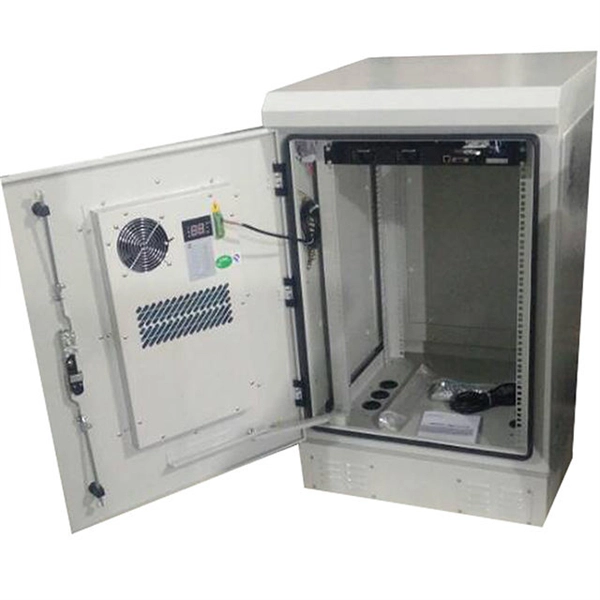
Outdoor Climate Cabinets
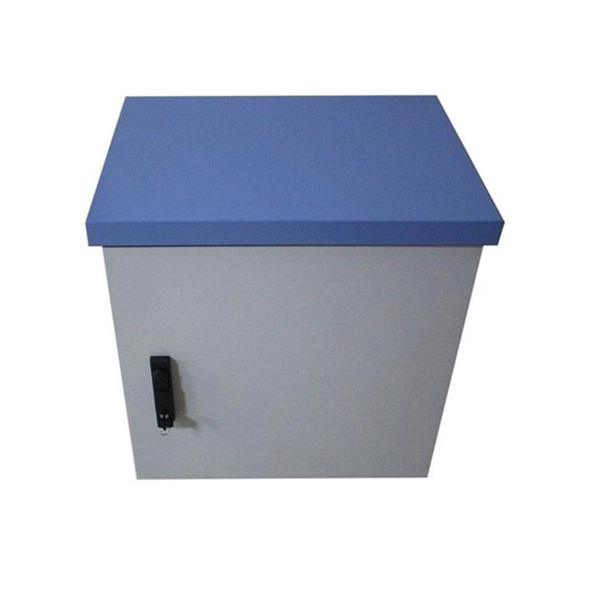
IP55/IP66 outdoor enclosures with integrated cooling/heating, -40°C to +55°C operation.
Smart PDUs & Power Distribution
Intelligent PDUs with remote monitoring, per-outlet switching, and environmental sensors.
Shelters & Network Cabinets
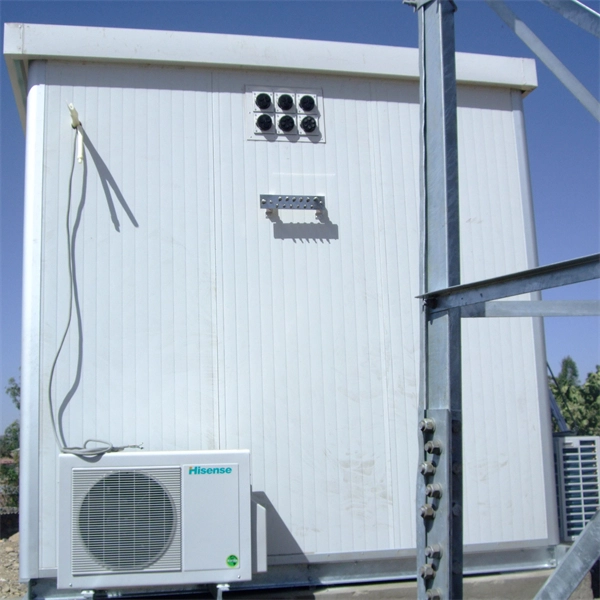
Prefabricated telecom shelters, emergency comms shelters, and network cabinets with cable management.